Norwegian Journalist Challenges Modi, Sparks Debate on Criticism vs. National Insult
During Prime Minister Narendra Modi's historic state visit to Norway on May 18, 2026 — marking the first visit by an Indian Prime Minister to the Scandinavian country in 43 years — a tense press encounter sparked a nationwide debate on diplomacy, accountability, and national sovereignty.
Who Is Helle Lyng Svendsen?
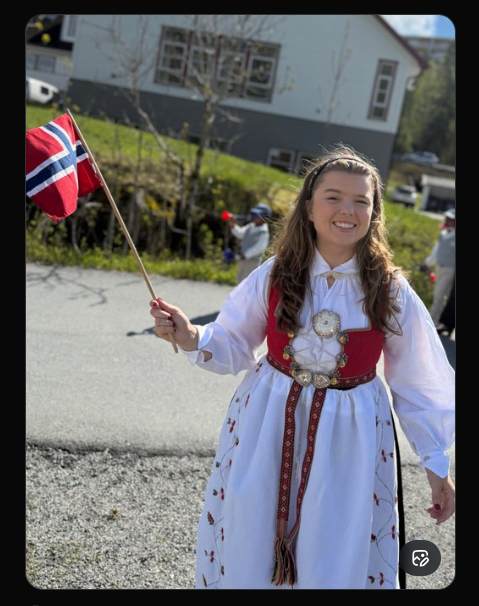
Helle Lyng Svendsen is a former U.S. correspondent and current commentator for the Norwegian newspaper Dagsavisen, based in Oslo. With over 59,600 followers on X (formerly Twitter) and followed by prominent Indian journalists like Dhruv Rathee and Ajit Anjum, Svendsen is a well-known voice in Nordic journalism covering international politics and press freedom.
The Press Access Controversy
The friction arose during a joint appearance by PM Modi and Norwegian Prime Minister Jonas Gahr Støre, where no questions from the press were permitted. Svendsen posted on X:
“"Primeminister of India, Narendra Modi, would not take my question, I was not expecting him to. Norway has the number one spot on the World Press Freedom Index, India is at 157th, competing with Palestine, Emirates & Cuba. It is our job to question the powers we cooperate."”
She also revealed that she physically attempted to reach PM Modi as he was leaving:
“"Tried to ask PM Modi a question on the way to the elevator too, but the closing doors stopped me. What I was wondering was whether he thinks he deserves the trust of the Nordic countries given his human rights violations and his restrictions on press freedom."”
Svendsen also publicly expressed disappointment at the Norwegian PM for not ensuring press access:
“"I was very disappointed that the prime minister of Norway did not include time today for the Indian reporters. I expect more of him tomorrow."”
Indian Embassy Responds With a Press Briefing Invitation
Following the viral tweets, the Indian Embassy in Norway officially responded on X, inviting Svendsen to a press briefing:
“"Dear Ms @HelleLyngSvends, The Embassy is organizing a press briefing on the Prime Minister's Visit this evening at 9:30pm at hotel Radisson Blu Plaza hotel. You are most welcome to come and ask your questions there."”
Svendsen attended the briefing.
The Direct Challenge: 'Why Should We Trust India?'
At the press briefing, Svendsen directly challenged the Indian officials present with the question:
“"Why should we trust India?"”
The question, asked in the context of human rights reports and press freedom rankings, prompted an immediate, comprehensive response from Sibi George, Secretary (West) in the Indian Ministry of External Affairs (MEA).
George delivered a detailed, 15-minute defense of Indian democratic credentials, emphasizing:
- India's Constitutional Foundation — highlighting guarantees of justice, equality, and civil liberties
- Historic Democratic Commitments — pointing out that Indian women received voting rights from the very first day of independence in 1947, decades ahead of many Western democracies
- Dismissal of NGO Reports — calling out reliance on what he described as "ignorant external NGOs" that do not understand the scale and complexity of India
- India as a Trusted Global Partner — highlighting vaccine distribution to over 100 countries during COVID-19 and hosting the Voice of the Global South summit
Online Divide: Criticism vs. National Insult
Video clips of the exchange quickly spread across social media, polarizing Indian internet users into two camps.
One side argues that criticizing the Prime Minister — especially on foreign soil — is a form of national insult, since the PM officially represents the republic globally. Supporters of this view say questioning India's trustworthiness in front of foreign media undermines the country's image.
Conversely, supporters of press freedom argue that the nation is far larger than any single office or individual, and that democratic leadership must remain subject to open press scrutiny and accountability, regardless of geographic location. They point to India's 157th rank on the World Press Freedom Index as evidence that such questions are necessary.
CJP Community Reacts
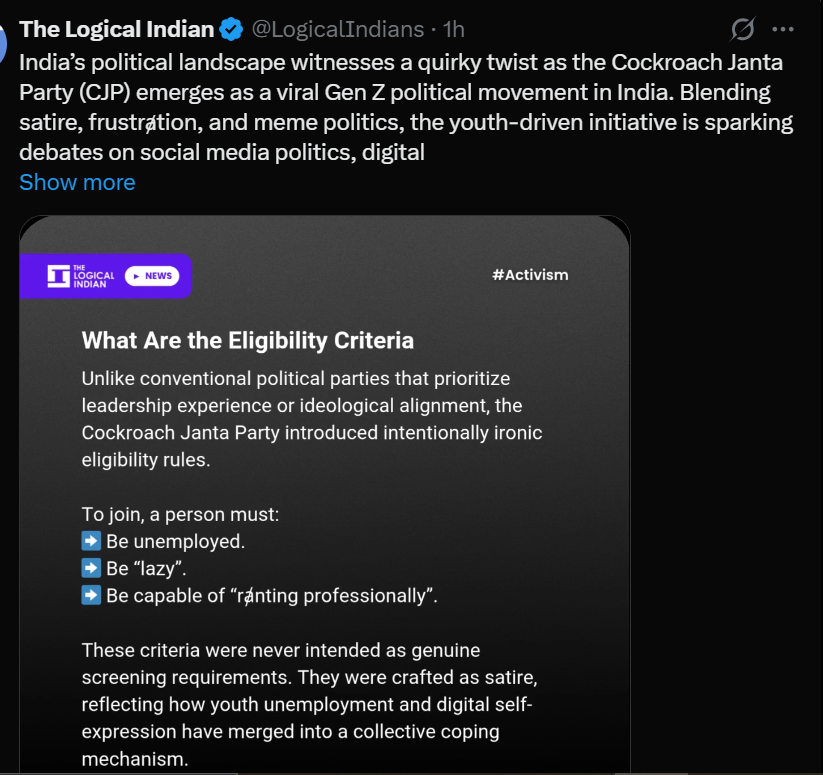
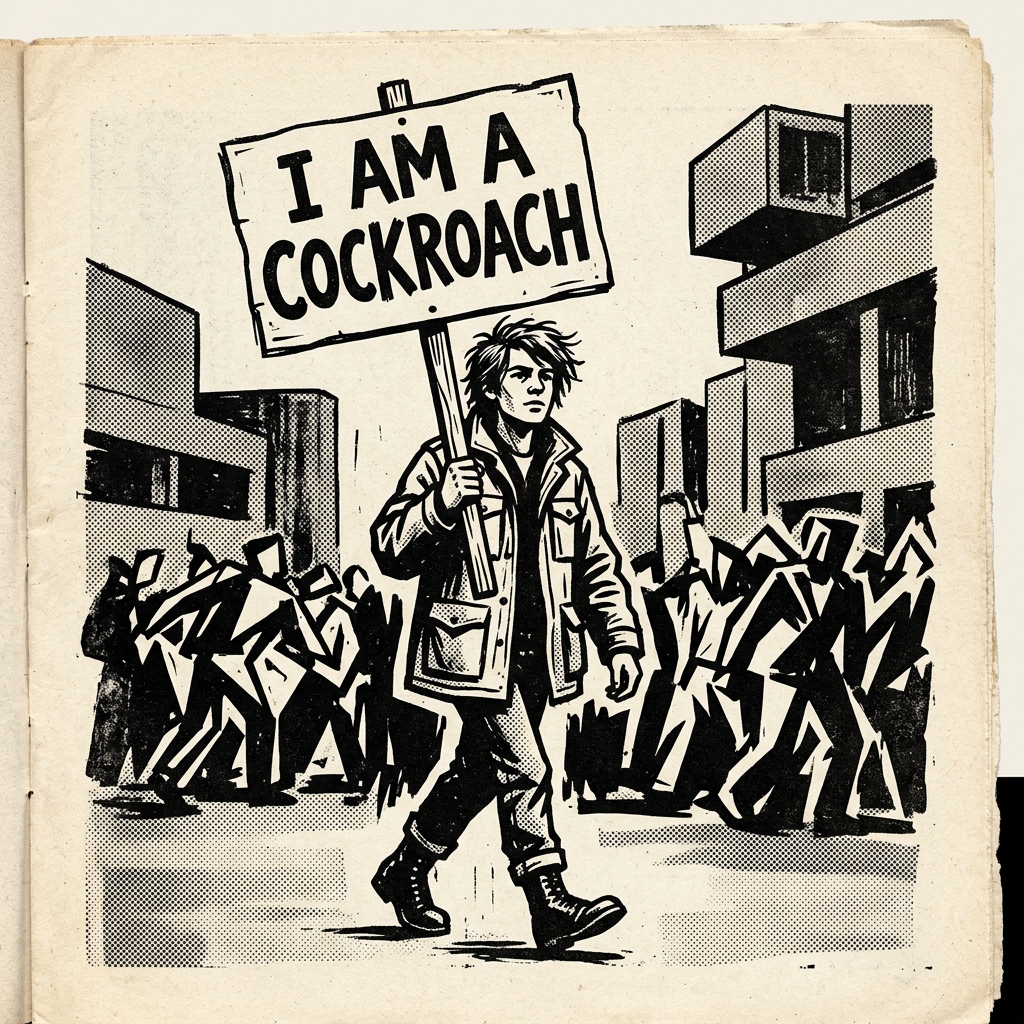
The incident has resonated deeply with the Cockroach Janta Party (CJP) community, where themes of accountability, distrust of mainstream institutional narratives, and freedom of expression are central to their political satire.
CJP volunteers commented that this event exemplifies the widening gap between institutional defensive postures and the public's demand for unscripted, honest questioning of power.
Key Facts & Background
- Journalist Helle Lyng Svendsen of Dagsavisen newspaper challenged PM Modi's lack of press interaction during his Norway visit.
- MEA Secretary Sibi George delivered a 15-minute defense of India's democracy, Constitution, and global role.
- Norway ranks #1 on the World Press Freedom Index; India is ranked 157th.
- The incident has triggered a polarized debate online between institutional nationalism and press accountability.
About the Author: CJP Correspondent
CJP Correspondent covers foreign affairs, state visits, and freedom of expression debates.
Discussions & Opinions (2)Moderated Board
Journalism is about asking tough questions. Accountability should never be labeled a national insult.
The PM represents the entire nation abroad. A disrespectful line of questioning under the guise of press freedom is an insult to the country.